
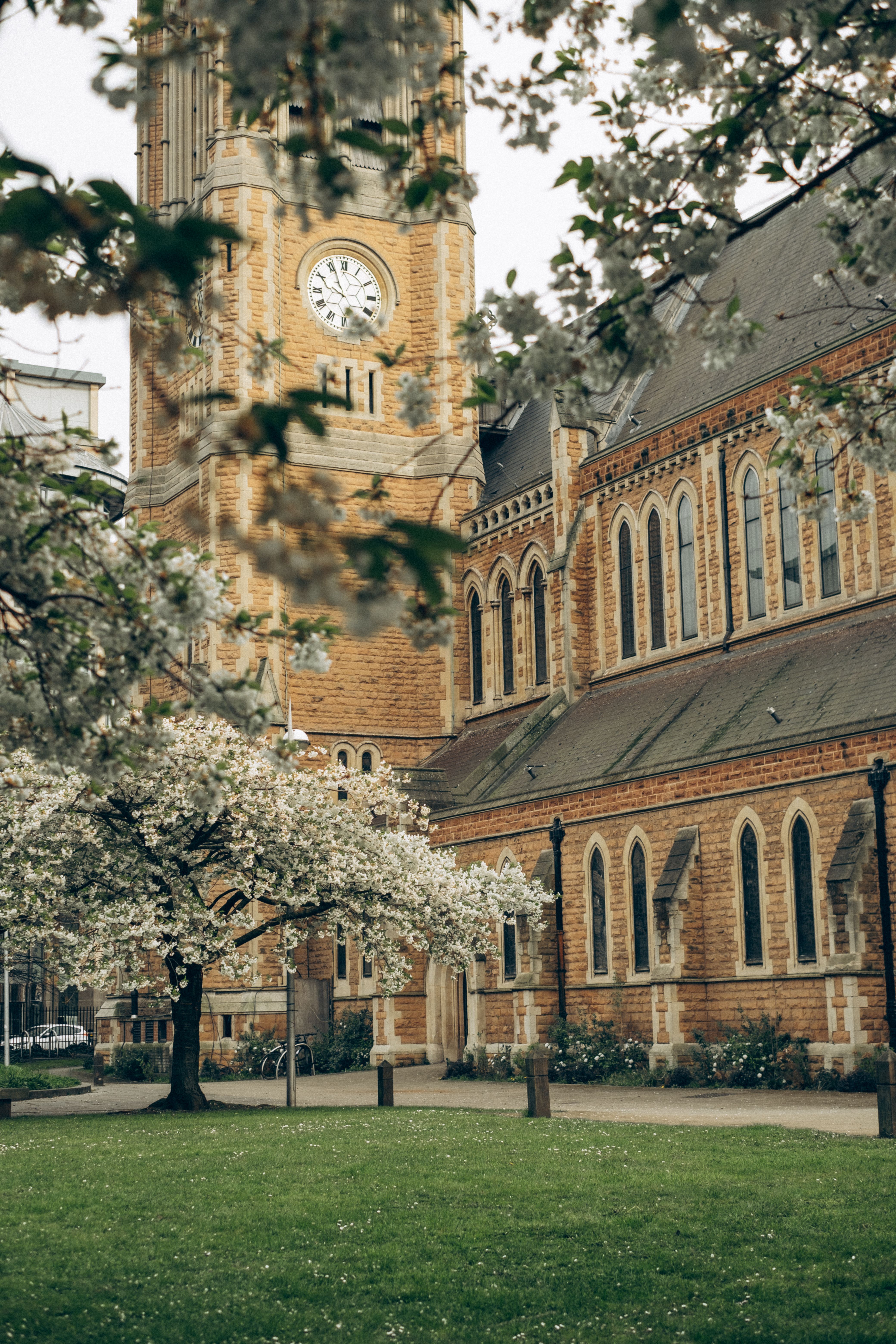
Islington is a borough in the north of London. It’s no wonder that it’s a hotspot for property, as well as housing more than 100 languages. In this article, we explore its buildings through the lens of five buildings – the architecture is quite varied, but they’re all quite distinctive!
Introduction
Today, we’re going to be taking a look at the islington architecture, North London. Located in the northwest corner of London, Islington is a diverse and interesting area that has a long and rich history. Over the years, it has developed into an eclectic mix of Victorian and modern architecture, with some notable examples including the Brunswick Centre and The Old Truman Brewery. So read on to learn more about this fascinating neighbourhood!
Architecture in Islington typically dates back to the Victorian era, when wealthy businessmen and professionals built opulent residences in the area. Later on, in the post-war period, many of these homes were replaced by office buildings and flats. However, there are still a few imposing Victorian mansions scattered around the district, such as The Duke of Bedford’s Mansion and The Grange. More recent architecture includes towers by Zaha Hadid and Norman Foster, mixed-use developments by Benoy + Partners and Rogers Stirk Harbour + Partners, as well as some striking new townhouses by Nicholas Grimshaw. In short, Islington has something for everyone – whether you’re interested in old-fashioned elegance or cutting-edge design!
History of Islington
The area that is now known as Islington has a long and varied history, which dates back to the early medieval period. During this time, Islington was part of the Anglo-Saxon kingdom of Northumbria, and it was from here that the first recorded mention of the area comes.
In 1086, William the Conqueror granted land in Islington to Roger de Beaumont, one of his most trusted advisors. This land would later become known as Beaumont Place. Over the following centuries, Islington grew steadily due to its strategic location and favorable climate. By 1254, the population had reached a peak of around 2,000 people. However, during the 14th century, the population began to decline due to plague and warfare.
By the 16th century, Islington had recovered somewhat and had begun to experience rapid growth. This growth was due in part to its close proximity to London (which at this point was only a small settlement consisting of just a few thousand people). As a result of this growth, various new businesses (including bakeries, blacksmiths and tanneries) began to establish themselves in Islington.
The architecture of the Old Town
The architecture of Islington, North London is a mix of Medieval and Tudor styles. The medieval part of the architecture can be seen in the Guildhall, which was built in 1320 and has been used for meetings by the town’s guilds since then. The Tudor style can be seen in St John’s Church, which was built in 1529 and features a spire that is said to be the second-highest in England. Other notable buildings from this period include the Old Bailey and Finsbury Pavement.
New Town
The Architecture of Islington, North London
Islington is a vibrant and diverse borough in North London. It is home to a number of well-known attractions, including the V&A Museum, Royal Albert Hall, and King’s Cross Station. The architecture in Islington is varied and interesting, with many Victorian and Edwardian buildings still standing. In this blog, we will explore some of the most iconic architecture in Islington.
Conclusion
If you’re looking to explore the architecture of North London, then Islington is the perfect place to start. The borough contains a wealth of Victorian and Edwardian buildings, as well as some newer structures that were built in the 2000s. If you’re interested in learning more about each building’s history, then be sure to check out our guides on Victorian and Edwardian architecture in Islington.