

Patio furniture is the starting point for turning an outdoor area into a living space. Transforming a deck, terrace, or backyard into a functional extension of the home is a process that unfolds over time. It rarely happens in a single shopping trip. Instead, most homeowners find that their ideal outdoor setup evolves as they learn how they actually use the space, how the sun moves across their property throughout the day, and which configurations best suit their lifestyle.
For those looking to furnish their exterior living areas, there are several stages to consider when seeking patio furniture in the area.
Establishing Your Foundation and Functional Needs for Patio Furniture
The initial stage of planning often involves identifying how you intend to use your outdoor space. A space designed for quiet morning coffee is fundamentally different from one intended for hosting large evening gatherings. Many homeowners begin by assessing the available space and considering the flow of traffic. Patio furniture can anchor each activity zone once you know how the space will be used.
When you start browsing patio furniture shops, it is helpful to think about the primary activity for each zone. Are you looking for a dedicated dining area? A comfortable conversation set for lounging? Or perhaps individual accent pieces like lounge chairs or side tables? Understanding your goals early on helps prevent the common mistake of overcrowding an area, which can make the space feel restrictive rather than inviting. Many people find that starting with a core set of durable pieces allows them to gauge how much room remains for accessories or additional seating later on.
Evaluating Patio Furniture Materials and Long-Term Durability
As you progress toward selecting specific pieces, the material composition becomes the most important consideration. Outdoor environments present unique challenges, including fluctuating temperatures, exposure to sunlight, and varying levels of moisture. Patio furniture can be chosen to match those temperature, sunlight, and moisture challenges.
Whether you are looking at metal, wood, or synthetic materials, each has distinct maintenance profiles. Some materials may require periodic cleaning or seasonal treatments to maintain their appearance, while others are designed for higher resistance to the elements. When visiting patio furniture shops, do not hesitate to ask how different materials typically hold up in the local climate. Understanding the maintenance requirements of a particular piece ensures that your investment remains in good condition for seasons to come. You may find that certain materials align better with your available time for upkeep and your desired aesthetic.
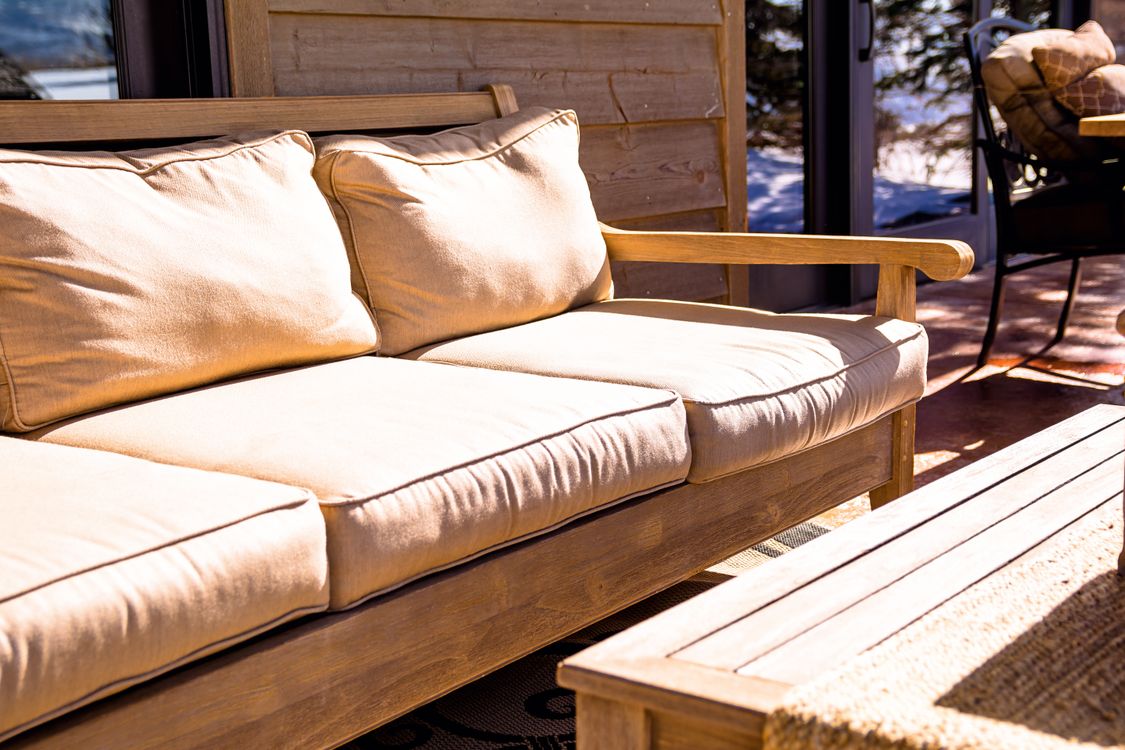
Adapting Patio Furniture to Changing Sunlight and Seasonal Use
A well-planned outdoor space is responsive to the environment. You might find that the spot you initially chose for your dining table becomes uncomfortably bright during the mid-afternoon, or that a corner of the patio is perfect for a reading chair but feels too drafty in the cooler months.
Many residents find that their patio furniture in the area needs to be modular or easily movable to accommodate these shifts. Incorporating versatile elements—such as umbrellas for shade, fire features for warmth, or lightweight seating that can be shifted as the sun changes position—allows you to extend the usability of your space. Observing how the light and temperature behave in your outdoor area throughout the day and across different seasons is a practical way to refine your layout and ensure that you get the most value out of your setup.
Sustaining Your Outdoor Investment Over Time
Maintaining the longevity of your outdoor living area involves consistent, low-effort habits. Just as the interior of a home requires routine cleaning, outdoor areas benefit from periodic attention. Covering furniture when it is not in use, storing cushions during periods of extended inclement weather, and performing seasonal inspections can help prevent the buildup of grime and address minor wear before it becomes a structural concern.
For those who enjoy hosting, keeping the space ready often becomes a routine part of home maintenance. Over time, you may choose to refresh the look of your space with new textiles or updated accessories, which is a simple way to evolve your aesthetic without replacing the core pieces. By viewing your outdoor space as a living part of your home that grows and changes with your needs, you can create an environment that remains a favorite retreat for years. Patio furniture can stay ready for hosting when it is cared for as part of that routine.
Finding the right patio furniture in the area is ultimately about matching your personal preferences with the practical realities of your specific home. Whether you are starting with a single bistro set or gradually building out a comprehensive entertaining area, the process of curation allows you to create a space that feels intentional, comfortable, and uniquely yours. As your confidence in how you use your outdoor area grows, your furniture choices will likely become even more reflective of the way you enjoy your time outdoors.