
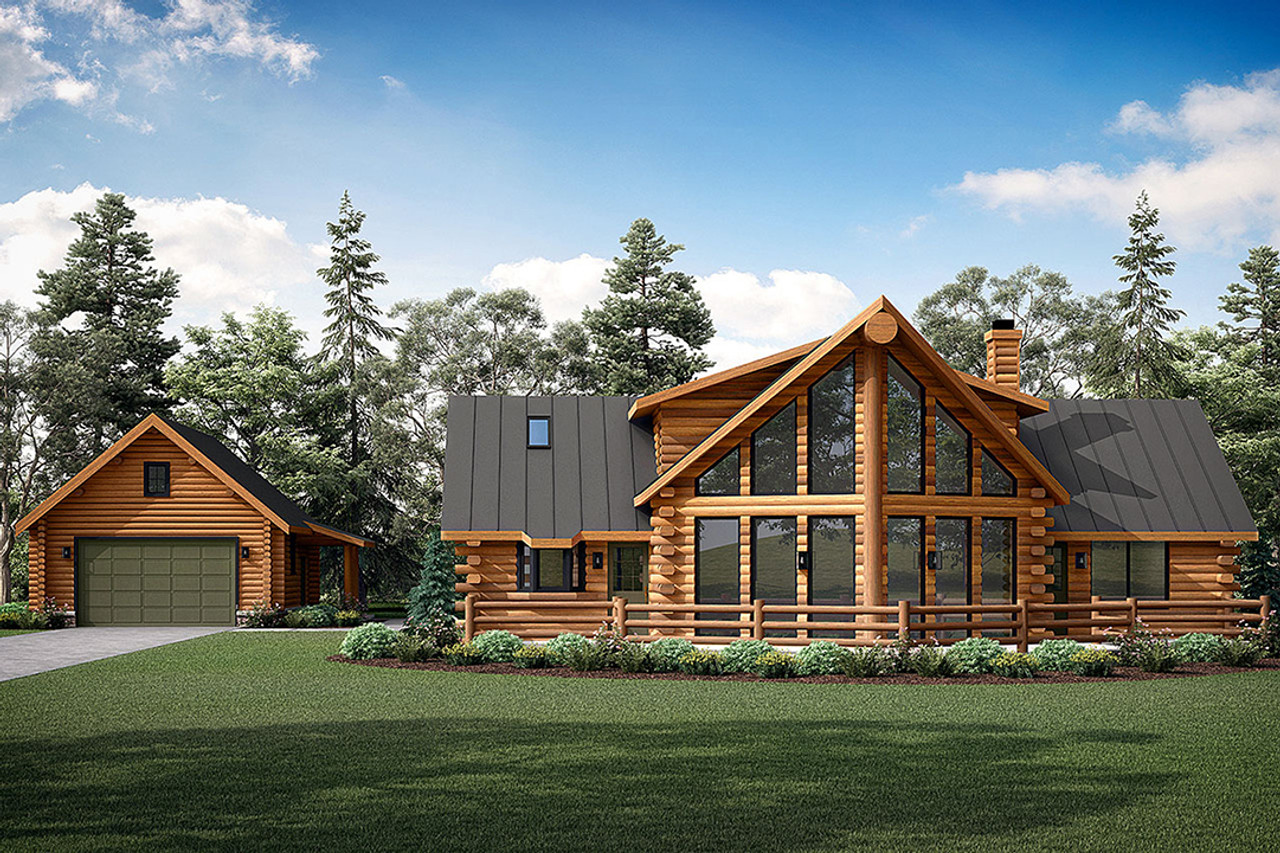
The process of constructing a log home is the stage that integrates the past with the present, composed of a timeless sense of aesthetic comfort and modern convenience. The house’s exterior can be as rugged in appearance as the mountain it resembles but can be contrasted with a warm interior and sophisticated decorum typical of log homes, which is unparalleled by other building types. On the other hand, the decision to invest in a log-style home must be made carefully, lest the allure of comfort overshadows the need to pick the carefully thought-out design.
Here are several tips to consider when selecting a log home design:
Understand Your Needs and Lifestyle: Take a minute to review the rough list of your wants and needs and evaluate your current lifestyle. Understand these aspects, including your family size (number of persons living together), preferred living space, preferred amenities (features), and any specific requirements (You and your family should determine these aspects). The knowledge of these components will make an option whereby the design will fit in your way of life and ensure your material needs.
Research Log Home Styles: Log houses can be seen in different types, each having and benefiting from its distinctive features and beats. Do research on multiple styles, for example, traditional or rustic, modern or hybrid, from the list of options available to find out which one matches you in terms of aesthetics and functions. Office art styles reflect noise, privacy, common spaces in rooflines, window placement, porches, and interior layout. Also, remember that modern log home kits offer many customization options, so consider using them.
Evaluate Your Building Site: The site where you would like to construct the cabin will likely influence the design phase. Influences like topology, orientation, seeing amenities, accessibility of utilities, upcoming regulations, or seasonal effects, to name a few, must be carefully examined. Determine a design that guarantees the best use of the size while fetching the notable nature-friendly characteristics.
Consider Energy Efficiency: One of the strengths of log homes is their thermal capacity, which utilizes their unique inner structure to stabilize the temperature inside and eventually decrease the expenses for sealing. Adding more energy-efficient system features like high-quality insulation, low-emissivity windows, and efficient heating and cooling systems in addition to the low-e window will increase energy efficiency and comfort. Chose designs oriented towards energy efficiency do not have to compromise with the aesthetics or function
Think Long-Term: The building of a log house is a significant thing. Therefore, the longer-term aim should be the other priority when choosing the design. Include elements like additional space for development in the future, upkeep duties, or marketability of the house in case you want to sell it in the future. Select a design that considers your current and future needs and incorporates a touch of flexibility that can make it last long even though your taste might change.
Work with Experienced Professionals: Log home construction demands high techniques and high professional finesse. Partner with the architect, designer, and builders with extensive log home experience. Their services are effective and unique. They can discover problems, give creativity, and ensure that the alternative to your choice is not a problem in terms of practicality and safety.
Finally, model homes and showrooms exhibiting different log home design ideas are another vital place to go and get a better understanding of the features and options of these homes. These personal observations facilitate visualizing the multiple layouts, materials, and finishes in real life, enabling you to be knowledgeable and determine your personal preferences faster.