
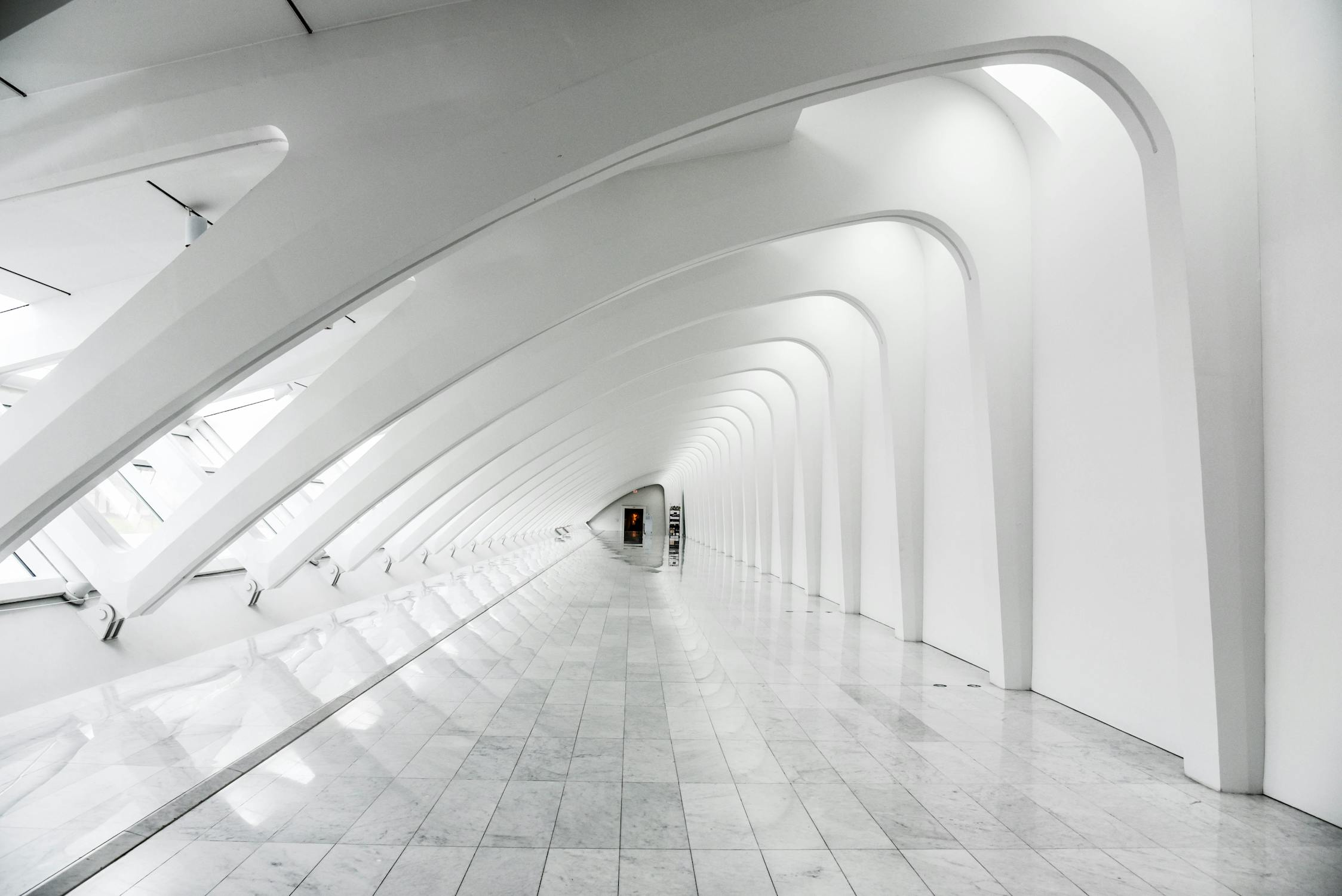
Architecture is a design and construction-based field, which means that you’re going to need some good design skills. However, that’s not all there is to be an architect in Islington! You’ll also have to get your hands dirty with construction, so looking into the skills required for this would be the next step.
What are the Skills Required for a Career in Architecture?
To be an architect, you need to have a solid understanding of both design and construction. This includes being able to work with 3D modeling for your designs and construct a building on site. These skills are usually learned during an internship, but some employers may require additional training.
Architecture Education Paths
There are a variety of career paths in architecture. Some people may want to become an architect for the creative aspects and work with other designers, while others may choose to become a contractor or draw up blueprints.
Job Prospects for School Leaver
Career prospects for architecture students are good as according to the Bureau of Labour Statistics, employment is expected to grow 17% over the next ten years. A degree in architecture will give you skills and knowledge about developing plans for a building’s layout, engineering, construction, and other related fields.
Architectural qualifications: A guide
To be able to become an architect, you need a degree in architecture from a recognized university. However, in order to have a chance of finding employment in the industry, there are a few other skills you’ll need that aren’t always listed as requirements for an entry-level position. It’s important that you work well with others and are good at communication. They say that the best architects are those who can communicate effectively with clients and their own colleagues – which is something that can only be achieved through good interpersonal skills.
Architectural Skills and Competencies
An architect is someone who designs buildings, designing spaces and spaces for people. They work with many materials and diverse methods to create unique shapes, forms and aesthetics. Architects need to be able to design projects that are cost-effective, energy efficient, fit into the environment they are in and respond to their client’s needs.