
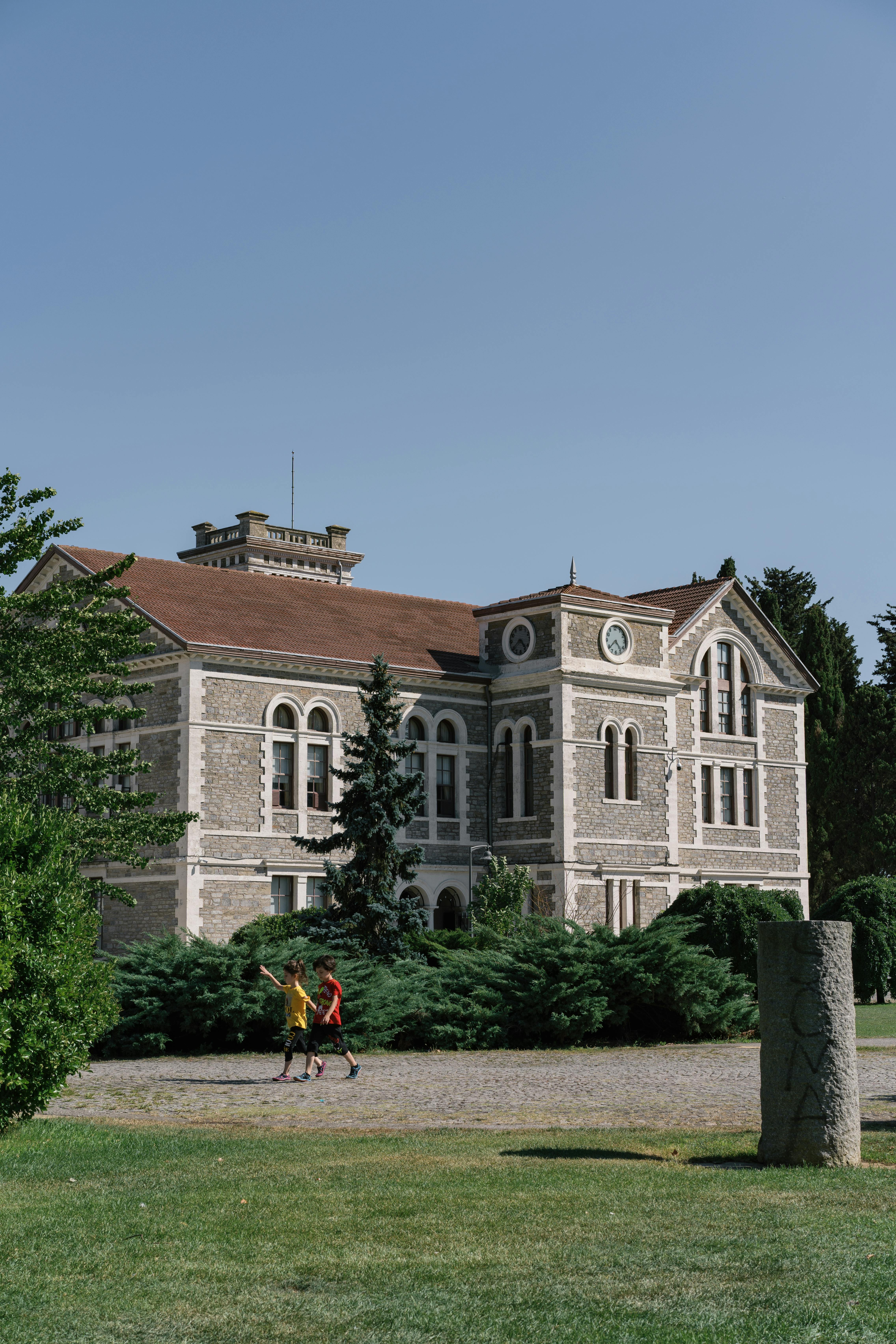
Islington is now rapidly growing into a global sensation for its sustainable, innovative new architecture. In this blog post, we’ll also explore the pros and cons of traditional architecture versus the more modern design that islington has become famous for.
Introduction
If you’re looking for a city with a commitment to sustainability, look no further than London. Renowned for its extensive green policies and cutting-edge architecture, the city is home to some of the world’s most sustainable buildings and neighborhoods. From highrise apartments to shopping streets lined with organic food stores, here are five of the most notable examples of London’s sustainable design.
What is Sustainable Architecture?
Sustainable architecture is a type of architecture that takes into account the impact a building has on its environment. It focuses on creating buildings that are not only sustainable in terms of their energy use, but also in terms of their resource use and overall impact on the environment.
The History of Sustainable Architecture in Islington
Islington has a long and illustrious history of sustainable architecture, stemming back to the 1970s with the work of architects such as David Chipperfield. In the early days of sustainable architecture, it was often seen as an alternative to more traditional architecture, but today it is seen as one of the most innovative and cutting-edge areas of design. Here, we take a look at some of the most notable examples from Islington’s past.
David Chipperfield’s Primrose Hill flats
One of Islington’s most iconic sustainable buildings is David Chipperfield’s Primrose Hill flats. Completed in 1987, these flats were one of the first examples of high-density living in London and were very ahead of their time. They were designed using a range of energy-saving features, including solar panels and a thermal storage system for heating. The building was also awarded two prestigious Prizes for Sustainability in 2001 and 2002.
The Archway Centre
Another iconic Islington building is the Archway Centre, which was completed in 2003 by architects HOK. It is made up of a series of interconnected pavilions that form a distinctive landmark on Archway Road. The center is home to a number of
How Islington Architecture is Supporting London’s Sustainable Goals
Islington Architecture: London’s Most Renowned Sustainable City
In a city as large and populous as London, it’s no surprise that sustainability is an important topic of discussion. In fact, it’s become so important that the Mayor of London has declared Islington to be the most sustainable city in London.
What makes Islington so successful when it comes to sustainability? First and foremost, the city is known for its high level of architecture and design. This means that everything from public spaces to homes are designed with sustainability in mind. Additionally, Islington has made a concerted effort to promote green transportation alternatives such as bike lanes and public transport. And last but not least, the city has developed strong partnerships with other organizations in order to help achieve its sustainability goals.
All of these factors have combined to create a thriving and sustainable cityscape in Islington. If you’re looking for a place where you can live responsibly and support the environment, then you should definitely check out Islington!
Conclusion
Islington is one of London’s most diverse and vibrant boroughs, with a rich history dating back to the Middle Ages. Today, Islington boasts an impressive array of sustainable city initiatives that make it one of the most environmentally conscious areas in London. From its commitment to reducing energy consumption to increasing recycling rates, Islington has made great strides in becoming a more sustainable community. If you’re looking for something new and exciting to explore while in London, be sure to check out Islington’s architecture!